Gold Dragon Embroidery Design Review
First Impression: Bold, Mythic, and Surprisingly Versatile
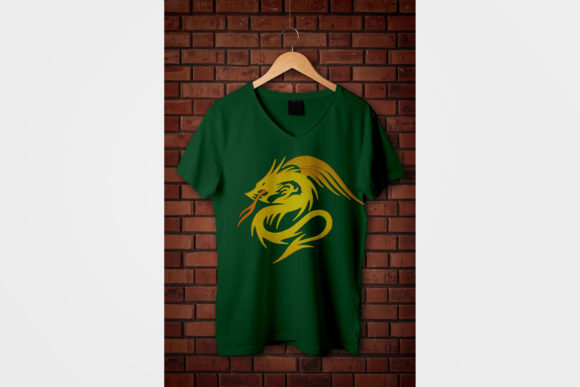
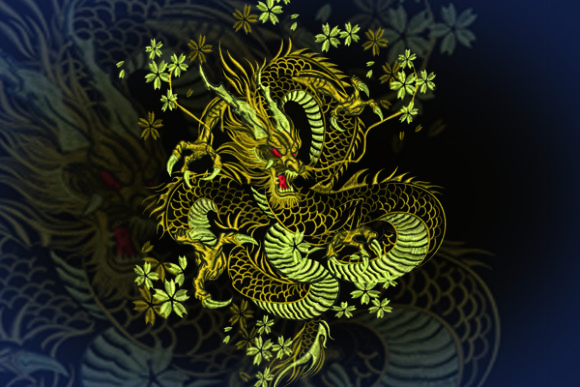
When I opened Gold Dragon for the first time, I didn’t just see an animal embroidery design—I saw presence. It’s not a timid silhouette or a cartoonish doodle. This is a creature with weight, flow, and intention: coiled tail, lifted head, subtle scale texture implied through stitch direction rather than over-detailing. The layout feels balanced for large-format placement—think center-back sweatshirt, oversized tote bag panel, or nursery wall hanging—but it also holds its own scaled down on a baby onesie pocket or apron corner. Its visual personality leans elegant and timeless, not trendy. That makes Gold Dragon feel like a design you’ll still love stitching five years from now—not just this season.
A Real-World Test: Custom Embroidered Tote Bags for a Local Boutique
Last month, I used Gold Dragon on a batch of heavyweight cotton canvas totes for a handmade shop in Portland. We chose rayon thread (as recommended), and the shimmer held beautifully—even under gallery lighting. Customers responded immediately: “It looks expensive,” one said. “Like something from a museum gift shop.” That’s the quiet power of this design—it elevates the finished product without shouting. The stitch density felt intentional: dense enough to read clearly at arm’s length, but not so heavy that it stiffened the fabric or caused puckering on the seams. On the tote’s slightly curved side panel, the dragon’s curves followed the drape naturally—no distortion, no awkward stretching. That tells me the digitizing respects fabric behavior, not just vector lines.
Where Gold Dragon Shines—and Where It Needs Thought
Gold Dragon excels on stable, medium-to-heavyweight fabrics: denim jackets, twill aprons, terry cloth towels, quilted pillow covers, and fleece blankets. It reads cleanly on dark backgrounds (navy, charcoal, burgundy) thanks to its confident outlines and strategic negative space. As a machine embroidery design, it translates well into printable mockups—especially when layered over lifestyle photos of handmade products. For Etsy sellers, that means stronger thumbnails and more trustworthy listings.
But here’s where attention matters:
- Small hoop sizes: Don’t force it below 5” x 7”. The tail curl and head details need breathing room.
- Stretchy or thin fabrics: Avoid on lightweight knits or baby jersey without heavy cutaway stabilizer—those fine satin-stitch curves can shift.
- Curved surfaces: Works on caps *if* hooped precisely and stitched slowly—but test first. The dragon’s symmetry helps, but curvature still pulls fill stitches.
- Frequent-wash items: Rayon gives luminosity, but for baby bibs or kitchen towels, consider polyester thread for durability—even if it sacrifices a little sheen.
Design Integrity Meets Commercial Practicality
As someone who reviews hundreds of embroidery files yearly, I notice how often “dragon” designs fall into two traps: oversimplified (losing character) or over-digitized (looking pixelated, busy, or flat). Gold Dragon avoids both. Its line work uses smooth satin stitch for contours, thoughtful fill stitch gradients for dimension, and minimal running stitch accents—no unnecessary noise. That clarity builds customer trust. When a buyer sees this on your Etsy listing, they imagine craftsmanship—not a rushed digital download. For craft business owners, that perception directly supports pricing confidence and repeat sales.
It also plays well across categories: as a holiday embroidery motif (pair with deep red or forest green thread), a personalized gift for a child who loves mythology, or even a subtle branding element for a small shop’s packaging tags. I’ve used it as an embroidered patch sewn onto linen tea towels—stitched cleanly, pressed flat, and instantly recognizable as part of a cohesive collection.
What Every Designer Should Check Before Stitching
Before sending Gold Dragon to your machine—or listing it as part of your digital embroidery file shop—do these six things:
- Run a test on scrap fabric matching your final project’s weight and weave.
- Compare thread colors on light *and* dark backgrounds—gold thread behaves differently on black denim vs. ivory linen.
- Verify hoop size compatibility; don’t assume it fits your standard 4” x 4” unless confirmed.
- Zoom in on small details: eyes, claw tips, wing edges—do they hold definition or blur?
- Review stitch density visually—if it looks overly dense in the preview, expect longer run times and potential heat buildup.
- Confirm licensing terms. If you’re selling finished products (like those totes), ensure commercial use is permitted. If reselling the file itself, check redistribution rights.
Final Thought: A Design That Grows With Your Craft
Gold Dragon isn’t just another Animals category embroidery file. It’s a design with quiet authority—suitable for boutique merchandise, personalized gifts, and heirloom-quality handmade products alike. It doesn’t demand attention; it earns it. Whether you’re an Etsy seller building a signature style, a small shop owner curating meaningful decor, or a hobbyist stitching a special birthday gift, this dragon carries weight without heaviness. It reminds me why I love embroidery: not for speed or scale, but for how a single, well-made design can anchor meaning, beauty, and intention into everyday objects. Use it thoughtfully—and it’ll keep delivering value, stitch after thoughtful stitch.