Fueled by Love: A Designer’s Real-World Embroidery Review
First Impressions: Warm, Intimate, and Quietly Confident
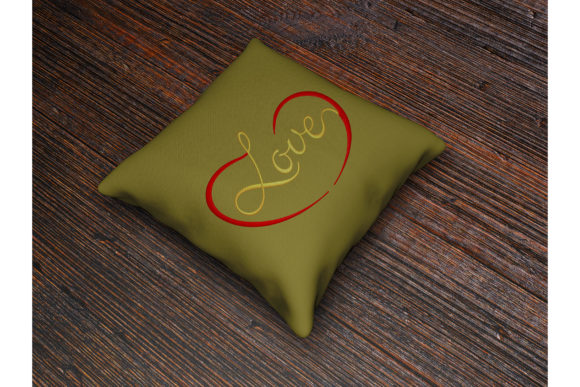
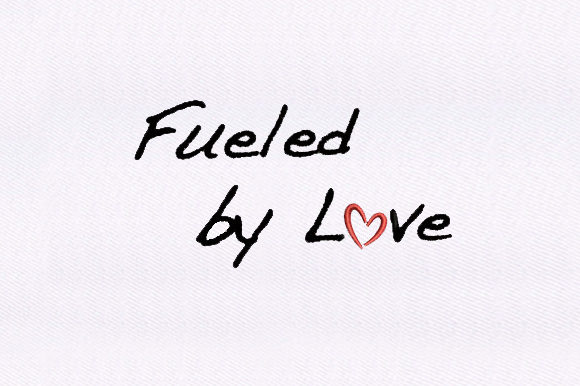
When I opened Fueled by Love for the first time, I didn’t see a Valentine’s Day cliché—I saw a design with quiet intention. It’s not hearts stacked like candy or script dripping with frills. Instead, it leans into soft curves, balanced negative space, and subtle weight distribution—like handwriting you’d trace with your finger. The phrase itself feels personal, not performative. That matters when you’re stitching something meant to be held, worn, or gifted—not just displayed.
Real Project Test: A Linen Tote Bag for a Local Boutique
Last week, I stitched Fueled by Love onto a natural linen tote bag—part of a small-batch collection for a neighborhood gift shop. Why this design? Because it needed to feel handmade but polished, romantic but grounded. No glitter, no overwrought flourishes—just clean letterforms and gentle rhythm. On the tote, it landed exactly as hoped: legible at arm’s length, tender up close, and unmistakably human in its flow. Customers paused. They touched the stitch texture. One asked, “Did you write that by hand first?” That’s the sign of a well-considered machine embroidery design—it doesn’t scream “machine,” it invites connection.
Where It Shines (and Where It Asks for Thought)
Fueled by Love excels on stable, medium-weight fabrics: cotton twill aprons, brushed cotton sweatshirts, tea towels, pillow covers, and structured baby blankets. Its layout breathes—no tight corners or overcrowded letter spacing—so satin stitch curves hold their shape without puckering. On a curved surface like a cap? It works best centered on the front panel, not wrapped around the crown. On stretchy knits? Use a lightweight cutaway stabilizer and reduce top tension slightly—this isn’t an applique design demanding heavy backing, but it does rely on clean stitch definition.
For baby embroidery or personalized gifts, the design’s modest scale and open structure make it forgiving on onesies and burp cloths—no dense fill stitch clusters that stiffen delicate fabric. As a tote bag design or embroidered patch, it scales cleanly across hoop sizes (though always verify your file’s largest dimension against your machine’s max hoop before stitching). And yes—it reads beautifully on dark fabric, especially with matte thread colors like charcoal grey or deep burgundy. But avoid ultra-thin voile or slubbed burlap unless you’ve tested stabilizer pairings first; fine detail can blur on highly textured surfaces.
What It Adds to Your Finished Product
This isn’t just about aesthetics—it’s about perceived value. A customer buying a handmade product expects care in every layer: concept, execution, and finish. Fueled by Love supports that expectation. Its balanced proportions and intentional spacing signal professionalism, even in a small shop setting. For Etsy sellers and craft fair vendors, it elevates a simple kitchen towel from “nice” to “thoughtful gift.” For apparel decorators, it adds warmth without sacrificing clarity—ideal for couples’ matching sweatshirts or wedding weekend merch where sentiment matters more than flash.
It also plays well with branding. If your shop voice is calm, earthy, or quietly poetic, Fueled by Love reinforces that tone without needing supporting graphics. No need to over-design around it. Just pair it with a neutral background, quality thread, and thoughtful placement—and let the stitch work speak.
Practical Designer Notes Before You Stitch
- Always test on scrap fabric first—especially if using textured weaves, blends, or dark backgrounds. Linen, cotton-linen blends, and midweight terry all behaved well, but results vary.
- Check thread color contrast early. This design relies on legibility, not density. A low-contrast combo (e.g., light grey on oatmeal) can fade visually—even if technically stitched perfectly.
- Review stitch density. While not overly dense, some letter junctions (like the curve of the “L” meeting “O”) carry slightly heavier satin stitch coverage. Confirm your machine handles those transitions smoothly on your chosen fabric.
- Confirm hoop size and file compatibility. With formats spanning PES, DST, VP3, and more, double-check which version matches your software and machine—don’t assume auto-conversion preserves detail.
- Inspect small details in your editing software: kerning, stitch direction on curves, and underlay consistency. Even minor shifts affect how fluid the phrase feels when stitched.
- Test in black-and-white mockups before finalizing digital listings. Does it retain personality without color? With Fueled by Love, it does—proof of strong underlying structure.
- Use appropriate stabilizer: medium-weight tear-away for stable wovens, cutaway for knits or high-wash items like baby clothes or tea towels.
- Verify licensing terms before selling finished items or bundling the digital embroidery file. This is a commercial embroidery asset—but rights vary by seller, so confirm before scaling your craft business.
Final Thought: Not Just for February
Yes, Fueled by Love fits naturally in Valentine’s Day collections—but its strength lies beyond the holiday. It’s equally at home on a nursery wall hanging, a “just because” embroidered pillow cover, or a small-batch boutique apron line. It’s the kind of machine embroidery design that earns repeat use, not seasonal shelf life. For designers, Etsy sellers, and small shop owners who value authenticity over algorithm-chasing, it’s a quiet asset: reliable, resonant, and ready for real work.